
Mold Testing in Deer Park, PA

Find Out What You're Breathing Before It's Too Late

Professional mold testing that identifies hidden threats in your home—so you can stop guessing and start protecting your family’s health and your property’s value.

Hear from Our Customers

Professional Mold Testing Services

Know Exactly What's Growing in Your Home

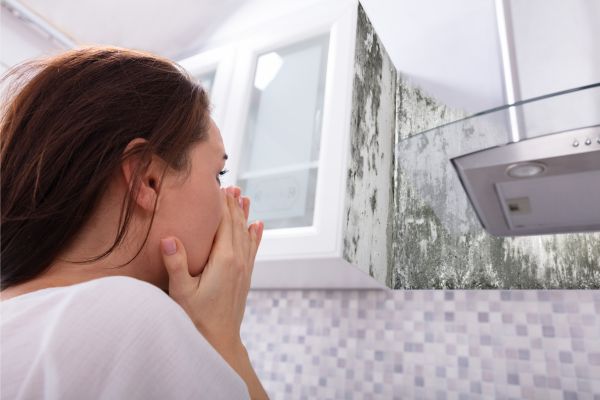
You’ve noticed the musty smell. Maybe someone in your house can’t stop coughing, or your allergies are worse indoors than out. You’re wondering if it’s mold, but you can’t see anything obvious.

That’s the problem. Mold doesn’t always show itself. It hides behind walls, under floors, in your HVAC system. And while you’re trying to figure it out, it’s spreading—affecting your air quality, your health, and quietly eating away at your home’s resale value.

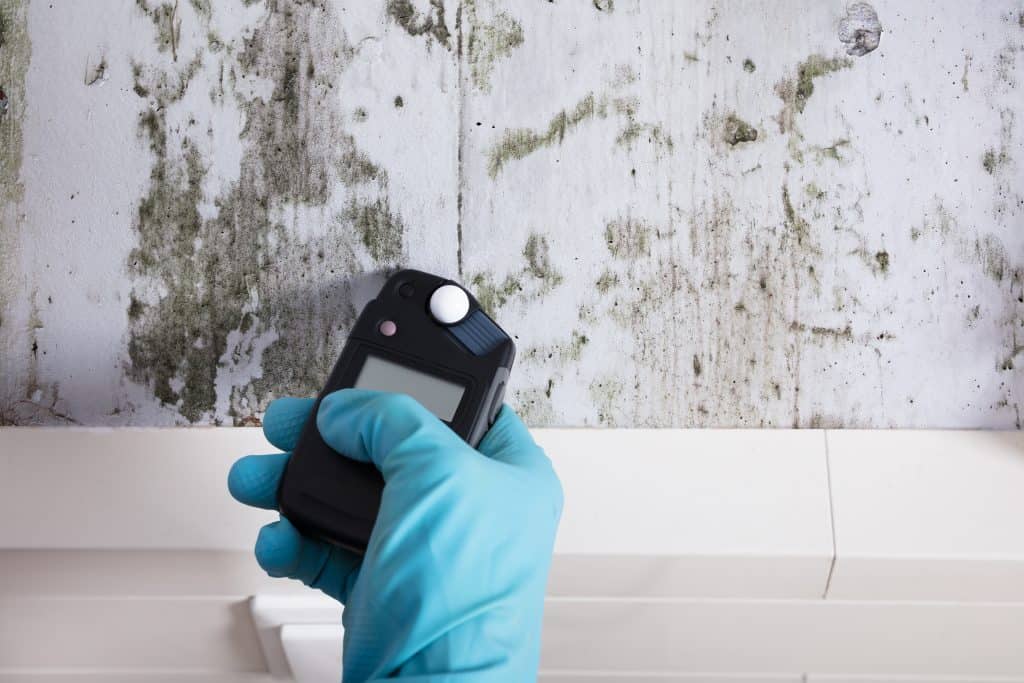
Professional mold testing gives you answers. We test the air in your home, collect samples from surfaces, and compare indoor levels to outdoor baselines. You’ll know what type of mold you’re dealing with, how much of it there is, and whether your indoor air quality is actually a problem. No more guessing. No more wondering if that cough is just seasonal or something worse.

Once you know what’s there, you can make informed decisions about what to do next.

Mold Testing Company Deer Park

We Test Homes in Bucks County Every Day

We’ve been helping homeowners in Deer Park and throughout Bucks County understand what’s happening inside their walls. We’re not a national franchise showing up with a checklist. We’re local, and we know this area.

Bucks County’s humid summers and unpredictable weather create perfect conditions for mold growth. We’ve seen it in basements after spring flooding, in attics with poor ventilation, and in crawl spaces that stayed damp too long. We know where to look because we’ve done this hundreds of times.

Our certified inspectors use calibrated equipment to test your air and surfaces. You get a detailed report within 24 to 48 hours, and we walk you through what it means in plain language. No upselling. No scare tactics. Just clear information so you can decide what’s best for your home.

How Mold Testing Works

Here's What Happens When We Test Your Home

We start with a free inspection. You show us the areas you’re concerned about, and we look at the spots you might not have considered—places where moisture tends to collect or airflow is limited.

Next, we collect air samples using spore trap cassettes and calibrated pumps. We run these for 5 to 15 minutes per location, pulling in air to capture mold spores. We also take outdoor samples as a control, because mold exists everywhere. What matters is whether your indoor levels are higher than they should be.

If there’s visible mold or water damage, we take surface samples too. This helps us identify the specific type of mold and whether it’s something that requires immediate attention, like black mold.

Once the samples go to the lab, you’ll hear from us within 24 to 48 hours. We’ll explain what we found, what the spore counts mean, and whether your indoor air quality is within normal range or if you’ve got a problem that needs fixing. If remediation is necessary, we’ll tell you what that looks like and give you a transparent estimate before any work starts.

Ready to get started?

Explore More Services

About Mack's Mold Removal

Residential Mold Testing Deer Park

What You Get with Our Mold Testing Service

You get a thorough visual inspection of your home, including areas most people don’t think to check. We look at basements, attics, crawl spaces, HVAC systems, and anywhere moisture might be hiding.

You get air quality testing using professional-grade equipment. We’re not using a home test kit from the hardware store. We’re collecting samples that go to an accredited lab for analysis, so the results are accurate and reliable.

You get surface testing if we find visible mold or water stains. This tells us exactly what species you’re dealing with and how aggressive the growth is.

And you get a detailed report that breaks down spore counts, mold types, and whether your levels are normal or elevated compared to outdoor air. In Bucks County, where 47% of homes show visible mold or mold odor, this kind of baseline comparison matters. It tells you if what you’re dealing with is typical environmental mold or an actual indoor contamination problem.

We also identify the moisture source. Mold doesn’t grow without water, so if you’ve got mold, you’ve got a moisture issue somewhere. We find it, and we tell you how to fix it—even if that means calling a plumber or roofer instead of us.

How much does mold testing cost in Deer Park, PA?

Most residential mold testing runs between $300 and $1,000 depending on the size of your home and how many areas need testing. The national average is around $670, and that’s a reasonable benchmark for what you should expect in Bucks County.

If you’ve got a smaller home and we’re only testing a couple of rooms, you’ll be on the lower end. If you’ve got a larger property or multiple areas of concern—like a basement, attic, and main living area—the cost goes up because we’re collecting more samples and spending more time on-site.

We give you a clear estimate after the free inspection, so there’s no surprise when the bill comes. And if you’re dealing with this because of a water leak or storm damage, your homeowner’s insurance might cover part or all of the testing cost. We can work with your insurance company to help with that process.

A mold inspection is visual. We walk through your home, look for signs of mold growth, check for water damage, and identify conditions that could lead to mold problems. It’s a physical assessment of what we can see and what risk factors are present.

Mold testing goes further. We collect air and surface samples and send them to a lab for analysis. Testing tells you what types of mold are in your home, how much of it there is, and whether your indoor air quality is worse than outdoor air. It’s the difference between “yes, that looks like mold” and “here’s exactly what’s growing and how bad it is.”

Most people need both. The inspection finds the problem areas, and the testing confirms what’s there and how serious it is. If you’re buying a home, dealing with health symptoms, or trying to document mold for insurance or legal reasons, testing gives you the hard data you need.

You’ll get results within 24 to 48 hours after we collect the samples. The samples go to an accredited lab where they analyze the spore counts and identify the types of mold present. Once the lab sends us the report, we call you to go over what it means.

We don’t just email you a PDF full of numbers and expect you to figure it out. We walk you through the findings, explain what’s normal and what’s not, and answer any questions you have. If the results show elevated mold levels, we’ll tell you what needs to happen next and what your options are.

The actual testing appointment usually takes one to two hours depending on the size of your home and how many samples we’re collecting. So from the time we show up to the time you have answers, you’re looking at about two to three days total.

You can buy a home mold test kit, but it’s not going to give you the same level of accuracy or detail. Most DIY kits just tell you if mold is present—which isn’t that helpful because mold is present in almost every home to some degree. What matters is the type and concentration.

Professional mold testing uses calibrated equipment and lab analysis to measure spore counts and identify specific mold species. We also take outdoor control samples, which is critical for context. If your indoor air has 5,000 spores per cubic meter and your outdoor air has 6,000, you don’t have a mold problem. But if your indoor air has 15,000 and outdoor is 2,000, that’s a red flag.

We also know where to look. Mold hides in places most homeowners don’t think to check—inside air ducts, behind drywall, under flooring. If you’re testing the wrong spot, you’ll miss the problem entirely. If you’re dealing with health symptoms, preparing to buy or sell a home, or you’ve had water damage, professional testing is worth the investment.

First, we confirm what type of mold it is. “Black mold” usually refers to Stachybotrys chartarum, which can produce mycotoxins and cause health issues, especially for people with asthma or weakened immune systems. But not all black-colored mold is Stachybotrys, so lab testing is important.

If it is black mold, we’ll recommend remediation. That means removing the contaminated materials, cleaning affected surfaces with EPA-approved methods, and fixing the moisture problem that caused it in the first place. Depending on the extent of the growth, this could be a small job or a larger project.

We’ll give you a detailed estimate and explain what the work involves before anything starts. We also handle the containment process to prevent spores from spreading to other parts of your home during removal. And once remediation is complete, we can do post-testing to confirm the mold is gone and your air quality is back to normal. Black mold sounds scary, but it’s manageable when you catch it and handle it correctly.

Sometimes, yes. If people in your home are experiencing unexplained respiratory symptoms, allergies, or asthma flare-ups that get better when they leave the house, that’s a sign something in your indoor air might be off. Mold doesn’t have to be visible to affect your health.

You should also consider testing if you’ve had water damage in the past—even if it was cleaned up. Mold can start growing within 24 hours of water exposure, and it often grows inside walls, under floors, or in other hidden areas. A musty odor is another indicator that mold is present even if you can’t see it.

Testing is also smart if you’re buying a home in Deer Park or anywhere in Bucks County. This area’s humidity and weather patterns make mold growth common, and the last thing you want is to move into a house with a hidden mold problem. A professional mold test gives you peace of mind or alerts you to an issue before you close on the property.

Other Services we provide in Deer Park